Tl/DR:
Chronic inflammation weakens the Blood Brain Barrier (BBB) and damages neurons. Geranylgeraniol helps restore balance by supporting mitochondrial energy and neuroprotective pathways for healthy brain aging.
The brain is one of the body’s most energy-demanding and sensitive organs which requires balanced signaling, strong mitochondrial function, and controlled immune activity to stay healthy. However, stressors such as chronic inflammation, oxidative stress, metabolic imbalance, toxins, and aging can trigger neuroinflammation (a chronic inflammatory response) damaging neurons (nerve cells of brain) and accelerating memory loss and neurodegenerative diseases.
A key protector is the blood–brain barrier (BBB) which acts as a shield, preventing harmful substances from entering the brain. When weakened by inflammation and oxidative stress, the BBB becomes leaky, creating a cycle of neuronal injury and cognitive decline.(1)
Supporting neuronal energy, reducing inflammation, and preserving BBB integrity are essential for long-term brain health and healthy aging. Geranylgeraniol (GG), a natural isoprenoid, has emerged as a promising neuroprotective compound that might help to regulate and strengthen brain health. (2)
To understand how the brain shields itself from inflammation and injury, it’s important to grasp one of its most remarkable protectors, the blood brain barrier (BBB).
What Is the Blood–Brain Barrier (BBB)?
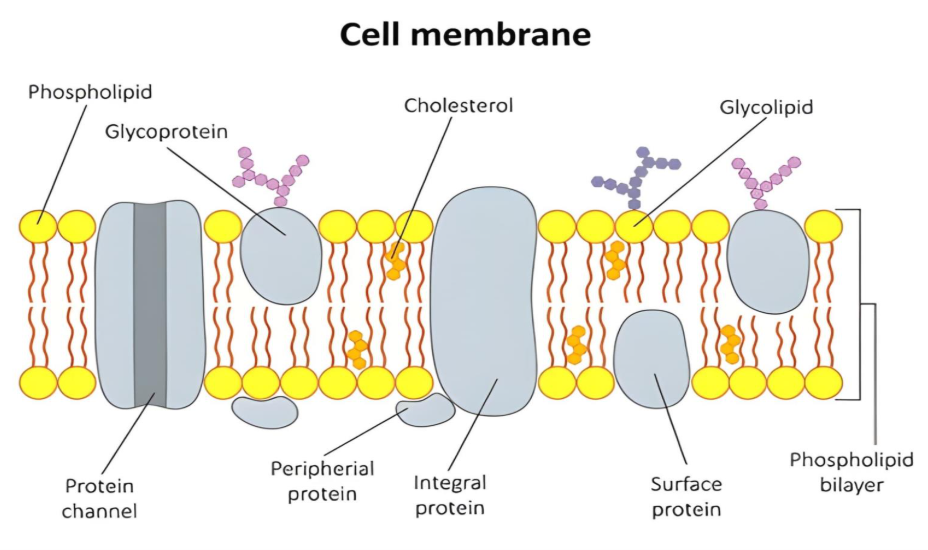
- BBB is a protective wall made of tightly connected cells lining the brain’s blood vessels. Its job is to keep the brain separated from the bloodstream and shield it from anything harmful.
- It works together with support cells (astrocytes, pericytes, microglia, and neurons) forming a team called the neurovascular unit (NVU) that helps manage nutrient flow and maintain a safe environment for brain function.(1)
Cells that form the BBB
- Endothelial cells — They form the inner lining of blood vessels and are tightly packed together by tight junctions, which prevent unwanted substances from leaking into the brain.
- Pericytes — They support and stabilize the endothelial layer and help maintain the strength and structure of the barrier.
- Astrocytes — They are star-shaped support cells with end-feet that wrap around blood vessels and help regulate how the barrier functions.
How the BBB Protects the Brain from Penetration?
In most blood vessels throughout the body, small gaps between endothelial cells allow substances to pass into surrounding tissue. But in the brain, these cells are tightly sealed together, using tight junction proteins that greatly limit what can enter. This is what makes the BBB such a powerful protective shield.(3)
Because it is so protective, about 98% of small-molecule drugs and almost all large-molecule drugs cannot pass through, which makes treating brain conditions difficult
Blood Brain Barrier Dysfunction
BBB dysfunctions occur if the protective barrier becomes weak or damaged, making it less effective at controlling what enters the brain.(4) Let’s now look at the common factors that damage the BBB and the serious consequences that follow its breakdown.
What Damages BBB?
- Aging
- Chronic inflammation
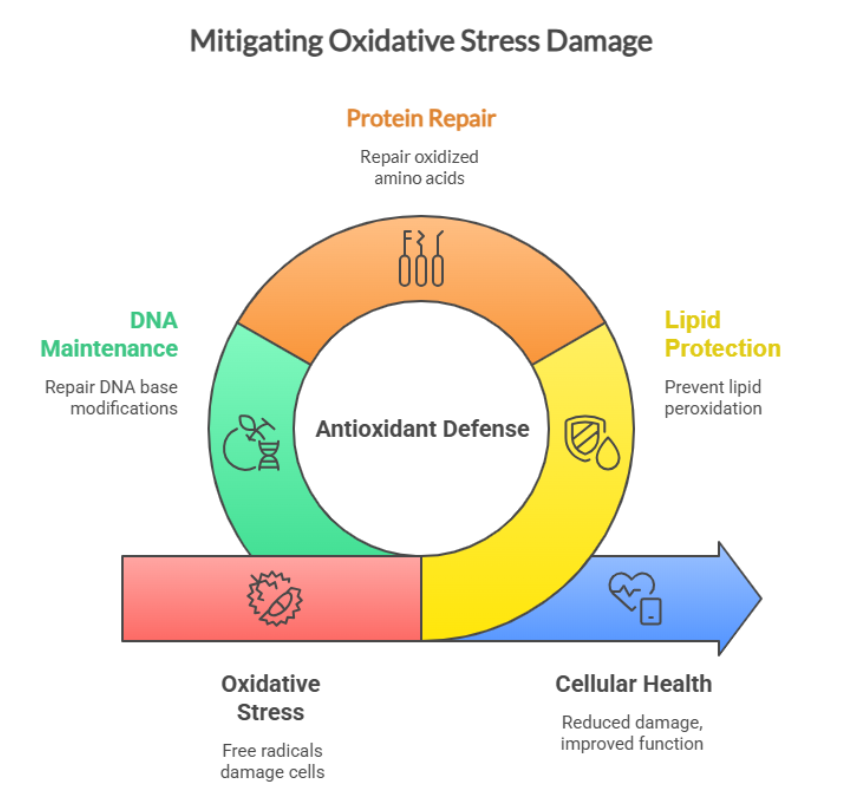
- Oxidative stress and free-radical damage
- Metabolic disorders (e.g., diabetes, obesity)
- Traumatic brain injury or stroke
- Neurodegenerative diseases (Alzheimer’s, Parkinson’s, MS, epilepsy)
- Infections, toxins, and pollutants
- Poor mitochondrial function and energy failure
- High levels of inflammatory cytokines and immune activation
Consequences of BBB Breakdown
- Leakage of harmful molecules and toxins into brain tissue
- Excess immune cell entry (T-lymphocytes, white blood cells)
- Increased neuroinflammation and oxidative stress
- Damage to neurons and supporting cells
- Disrupted signaling and impaired communication between neurons
- Swelling (edema) and ionic imbalance
- Accelerated memory loss and cognitive decline(4)
Do you know?
When the brain is inflamed, BBB produces extra sticky proteins (like VCAM-1 and ICAM-1). These help immune cells stick to blood vessels and enter the brain, which can make inflammation and damage even worse.
This growing vulnerability is exactly why strengthening the brain’s defence system is essential. Once you understand what is truly at stake, the focus naturally shifts from damage to defence.
The question is no longer only about what has gone wrong, but also about how we can protect the brain from further harm. This is where GG comes into play as a targeted neuroprotective compound that helps defend brain cells at cellular and molecular levels.
GG and the Mevalonate Pathway: Why It Matters for Brain Health
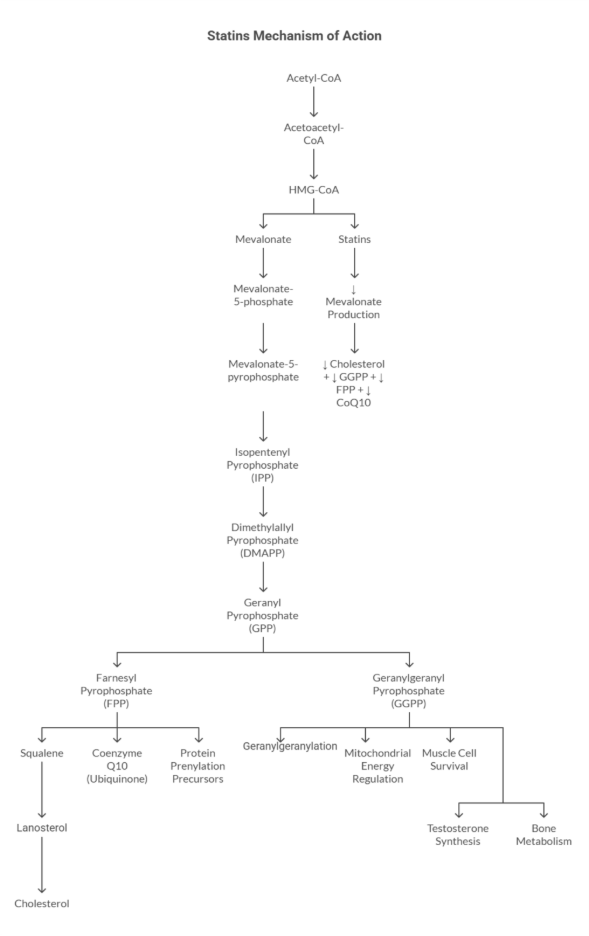
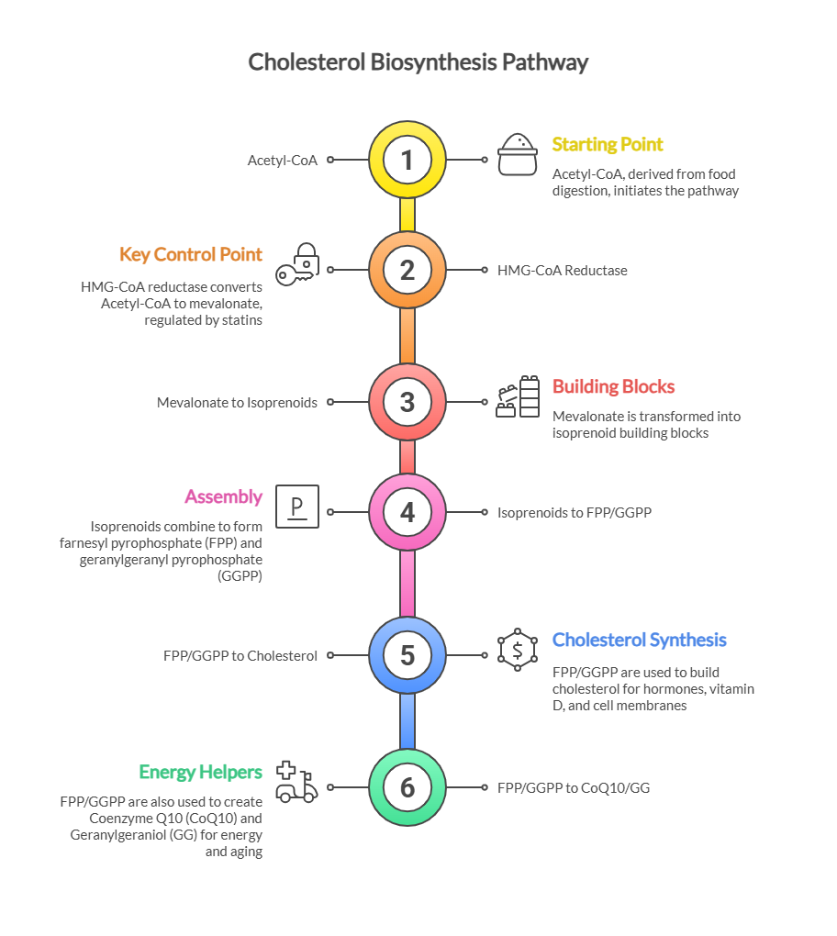
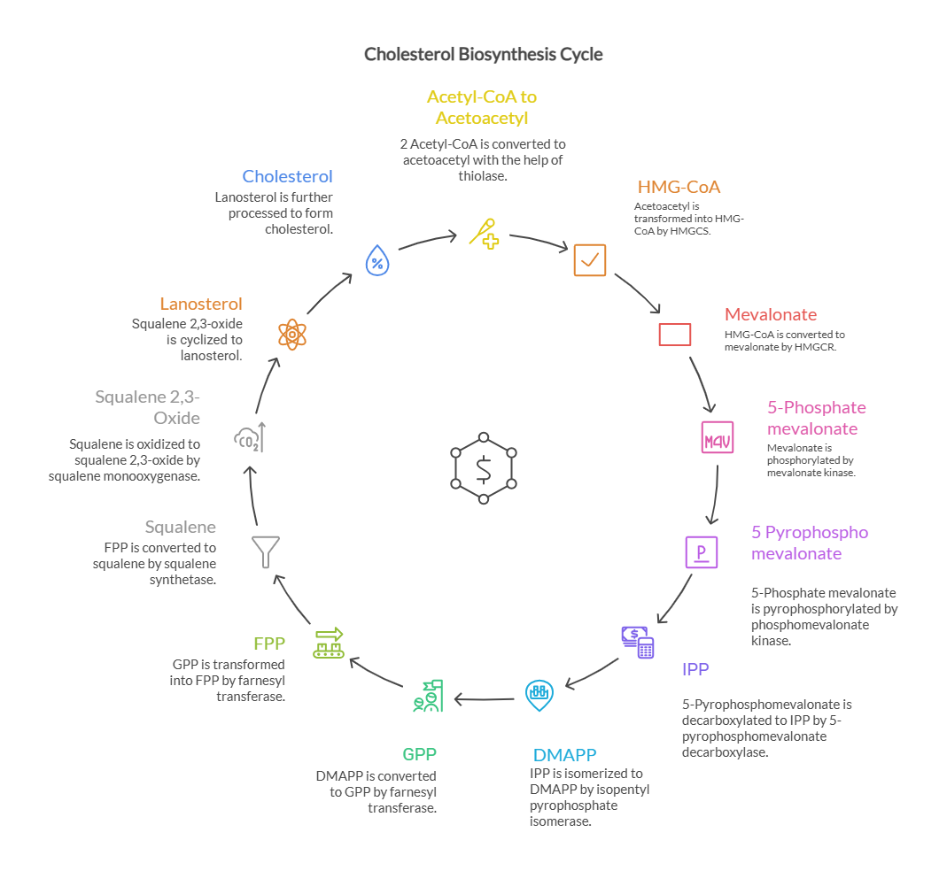
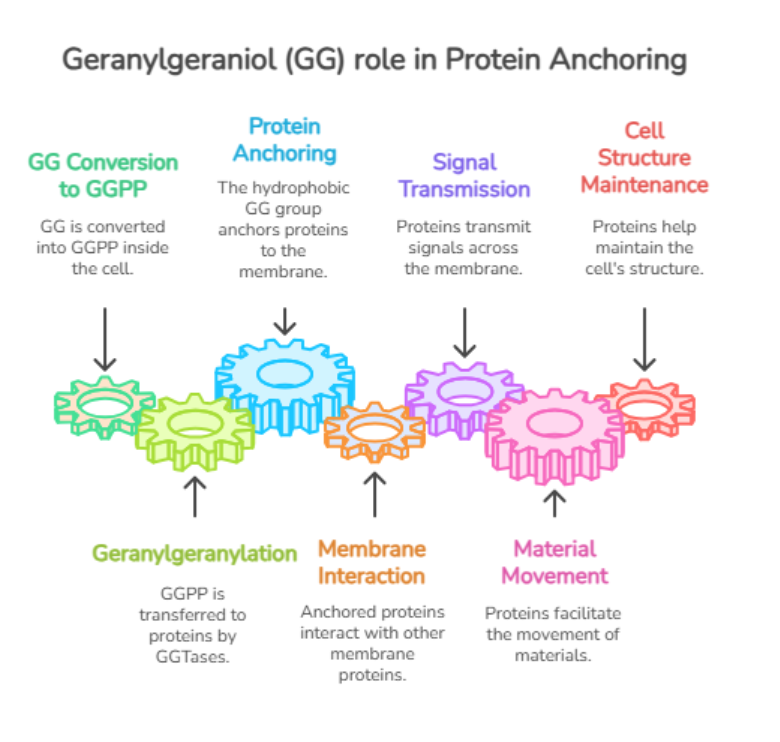
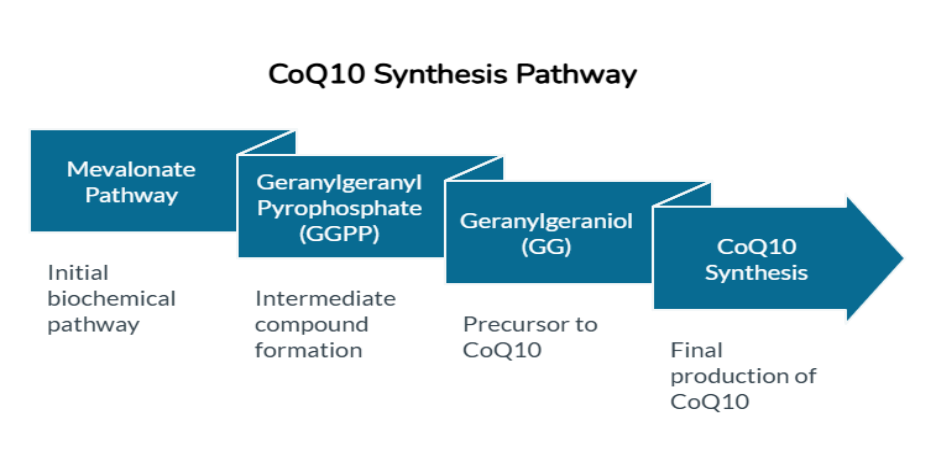
Geranylgeraniol (GG) is an essential byproduct of the mevalonate pathway, the same pathway responsible for producing key molecules needed for cell survival, mitochondrial function, energy production (ATP), and inflammation regulation.
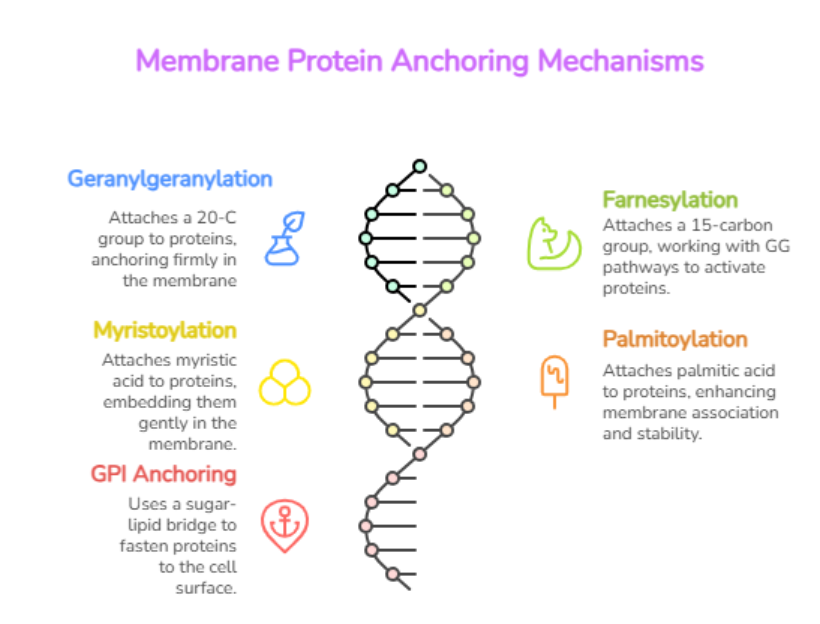
Along with cholesterol and CoQ10, GG enables protein prenylation (process by which essential proteins stick to cell membranes) supporting normal cellular signaling and neuron protection.(2)
Also Read: GG explained -Benefits, side-effects and science behind it
However, when the mevalonate pathway is blocked or disrupted (aging, metabolic dysfunction, chronic inflammation, oxidative stress, or statin use), the body produces less GG. This shortage triggers a chain reaction inside the brain:
- Mitochondria become dysfunctional, reducing ATP energy needed by neurons.
- Inflammation increases, activating microglia, and releasing excess cytokines (IL-6, IL-1β, TNF-α).
- Neurons become vulnerable to apoptosis (programmed cell death).
- Blood–brain barrier stability declines, increasing permeability.
- Neurodegeneration accelerates, contributing to cognitive decline and diseases such as Alzheimer’s and Parkinson’s.(2)
Let’s discover the neuroprotective effects of GG in the next section.
Neuroprotective Effects of GG
Neuroprotective pathways are the brain’s built-in defense and repair systems that work to reverse the damage caused by chronic neuroinflammation. They restore balance, protect neurons, and support long-term brain health.
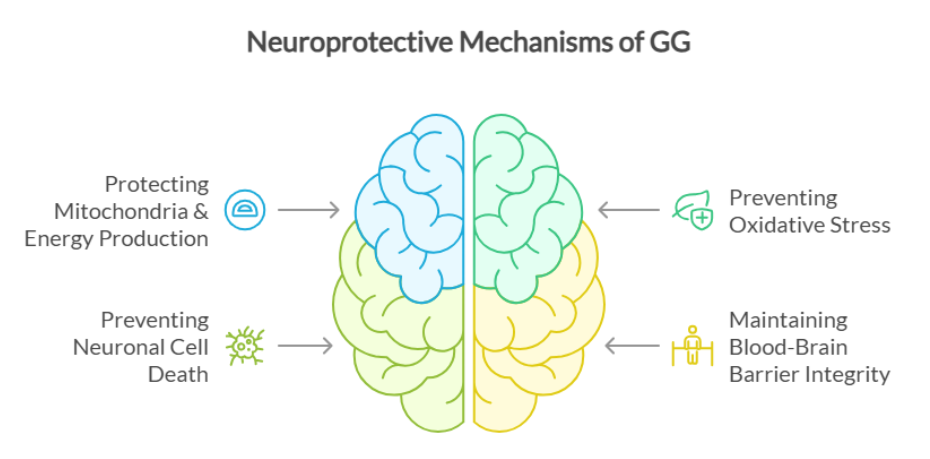
- Modulation of Neuroinflammation
- Neuroinflammation leads to the formation of excess inflammatory cytokines (IL-1β, IL-6, TNF-α), thereby causing damage to neurons (brain cells).
- GG reduces IL-6 and Inflammatory cytokine release, thus, prevents chronic inflammation that can trigger neuronal death and accelerate cognitive decline. (2)
- GG suppresses NF-KB activation in microglia-
- Microglial cells are the immune defenders of the brain, but when they stay activated for too long, they release inflammatory cytokines that damage neurons.
- This persistent inflammation is strongly linked to neurodegenerative diseases such as Alzheimer’s and Parkinson’s.
- In a study published in the International Journal of Molecular Sciences, it is seen that GG can reduce inflammatory responses and protect brain cells in several experimental models. (5)
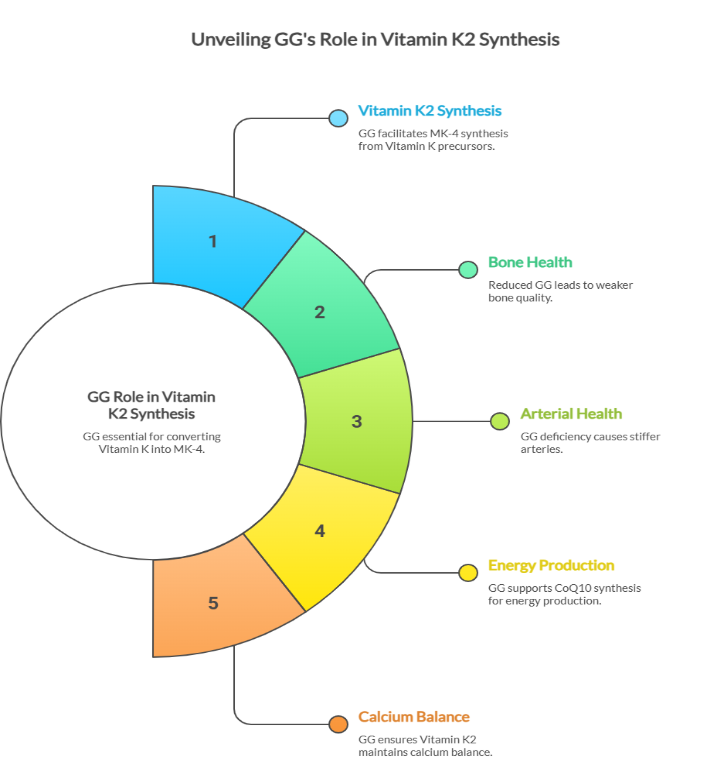
- Interestingly, its structure is like menaquinone-4 (MK-4), a form of vitamin K2, which has also been shown to suppress inflammation in microglial cells.(5)
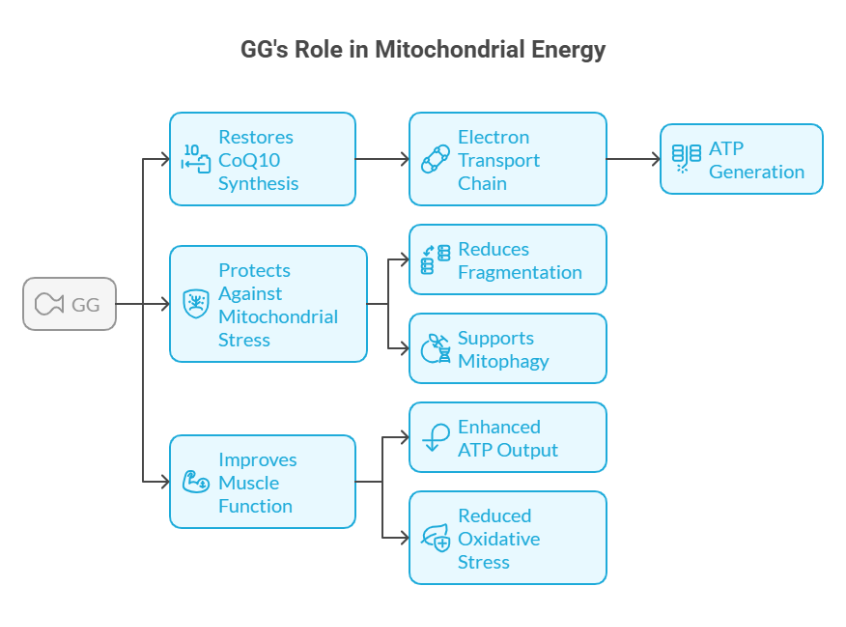
- Protecting Mitochondria & Energy Production (ATP)
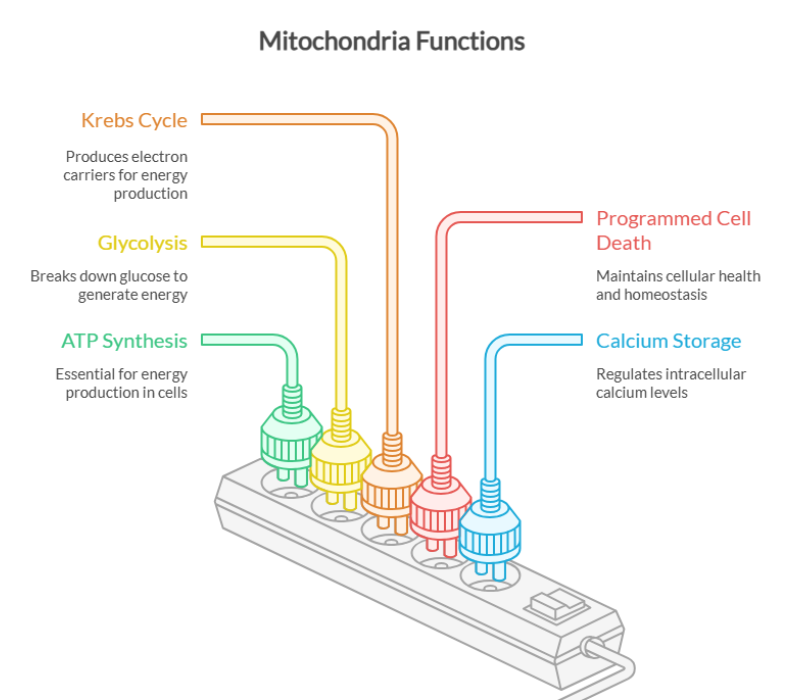
- Mitochondria are the power generators of neurons.
- Mitochondrial dysfunction may lead to low energy (ATP) and in severe cases may cause neuron death.
- GG restores mitochondrial membrane potential and protects mitochondrial structure. (2)
Also Read: Mitochondrial Powerhouse-How GG supplements supports CoQ10 production
- Preventing Oxidative Stress
- It is seen that oxidative stress accelerates neuronal injury.
- GG reduces oxidative cytotoxicity and improves cellular resilience under stress.(6)
- Preventing Neuronal Cell Death (Apoptosis)
- Neurons undergo apoptosis due to inflammation and energy failure.
- GG prevents apoptosis (programmed cell death) and improve cell viability.(2)
- Maintaining Blood–Brain Barrier (BBB) Integrity
- BBB vulnerability increases permeability and immune infiltration
- GG supports endothelial cell function and prenylation pathways to ensure better stability.(7)
Conclusion
For years, the approach to brain disorders has focused on managing symptoms after neurons are already lost.
But breakthroughs in neuroinflammation research show that real change happens when you strengthen the brain’s internal defense systems long before breakdown begins.
By supporting mitochondrial energy, calming inflammatory triggers, and protecting the blood–brain barrier, GG represents a forward-thinking strategy, one that focuses on protecting the brain rather than repairing what’s already gone.
When seen from a wider lens, you need to trust that healthy aging is not luck, it’s cellular strategy.
Plan your brain health before it’s too late.
Key Takeaways
- BBB protects the brain from toxins and inflammation, but chronic stress factors can weaken it and accelerate neurodegeneration.
- Reducing inflammation early slows brain aging, protects memory, and preserves long-term mental clarity.
- Neuroinflammation plays a major role in diseases like Alzheimer’s, Parkinson’s, stroke, and age-associated memory loss
- GG supports mitochondrial energy production, reduces inflammatory cytokines, prevents neuronal cell death, and helps maintain BBB integrity.
- Supporting neuroprotective pathways is critical for long-term brain function, cognitive performance, and healthy aging.
FAQ’s
Chronic inflammation in the brain damages neurons and contributes to memory loss and neurodegenerative diseases.
A protective shield that regulates what enters the brain from the bloodstream, keeping harmful substances out.
Geranylgeranoil (GG)helps reduce inflammation, protect mitochondria, prevent neuronal cell death, and support BBB stability.
GG lowers inflammatory cytokines and suppresses NF-KB signaling in microglial cells to restore balance.
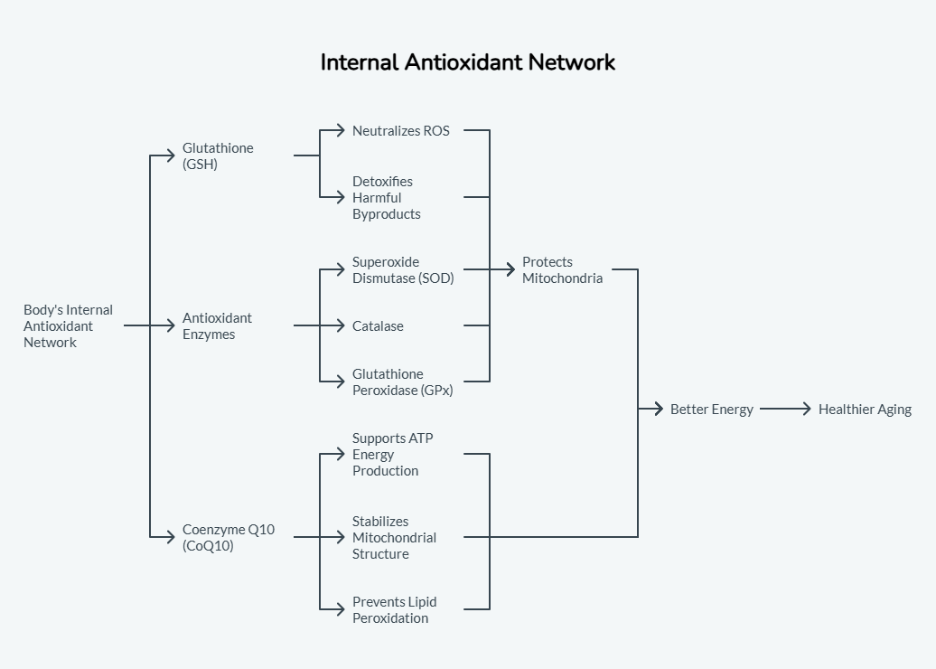
No,CoQ10 is a mitochondrial antioxidant whereas GG supports CoQ10 production and cellular signaling. They work synergistically.
References
- Brandl S, Reindl M. Blood–Brain Barrier Breakdown in Neuroinflammation: Current In Vitro Models. Int J Mol Sci. 2023;24(16):12699. doi:10.3390/ijms241612699.
- Marcuzzi A, Piscianz E, Zweyer M, et al. Geranylgeraniol and neurological impairment: involvement of apoptosis and mitochondrial morphology. Int J Mol Sci. 2016;17(3):365. doi:10.3390/ijms17030365.
- Altoida. The Function of Blood-Brain Barrier and Neurological Diseases: How They Work Together. Altoida Blog. July 12, 2022. https://altoida.com/blog/the-function-of-blood-brain-barrier-and-neurological-diseases-how-they-work-together/
- Daneman R, Prat A. The blood–brain barrier. Cold Spring Harb Perspect Biol. 2015;7(1):a020412. doi:10.1101/cshperspect.a020412. PMCID: PMC4292164. PMID: 25561720.
- Saputra WD, Shono H, Ohsaki Y, Sultana H, Komai M, Shirakawa H. Geranylgeraniol Inhibits Lipopolysaccharide-Induced Inflammation in Mouse-Derived MG6 Microglial Cells via NF-κB Signaling Modulation. Int J Mol Sci. 2021;22(4):1937. doi:10.3390/ijms22041937.
- Campia I, Lussiana C, Pescarmona G, et al. Geranylgeraniol prevents the cytotoxic effects of mevastatin in THP-1 cells without decreasing beneficial effects on cholesterol synthesis. Br J Pharmacol. 2009;158(7):1777-1786.
- Pabst AM, Krüger M, Ziebart T, et al. Isoprenoid geranylgeraniol: influence on endothelial progenitor cells after bisphosphonate therapy in vitro. Clin Oral Investig. 2015;19(7):1625-1633. doi:10.1007/s00784-014-1374-3